
Leaving Your Trainer on Good Terms
The Breakup No One Prepares You For
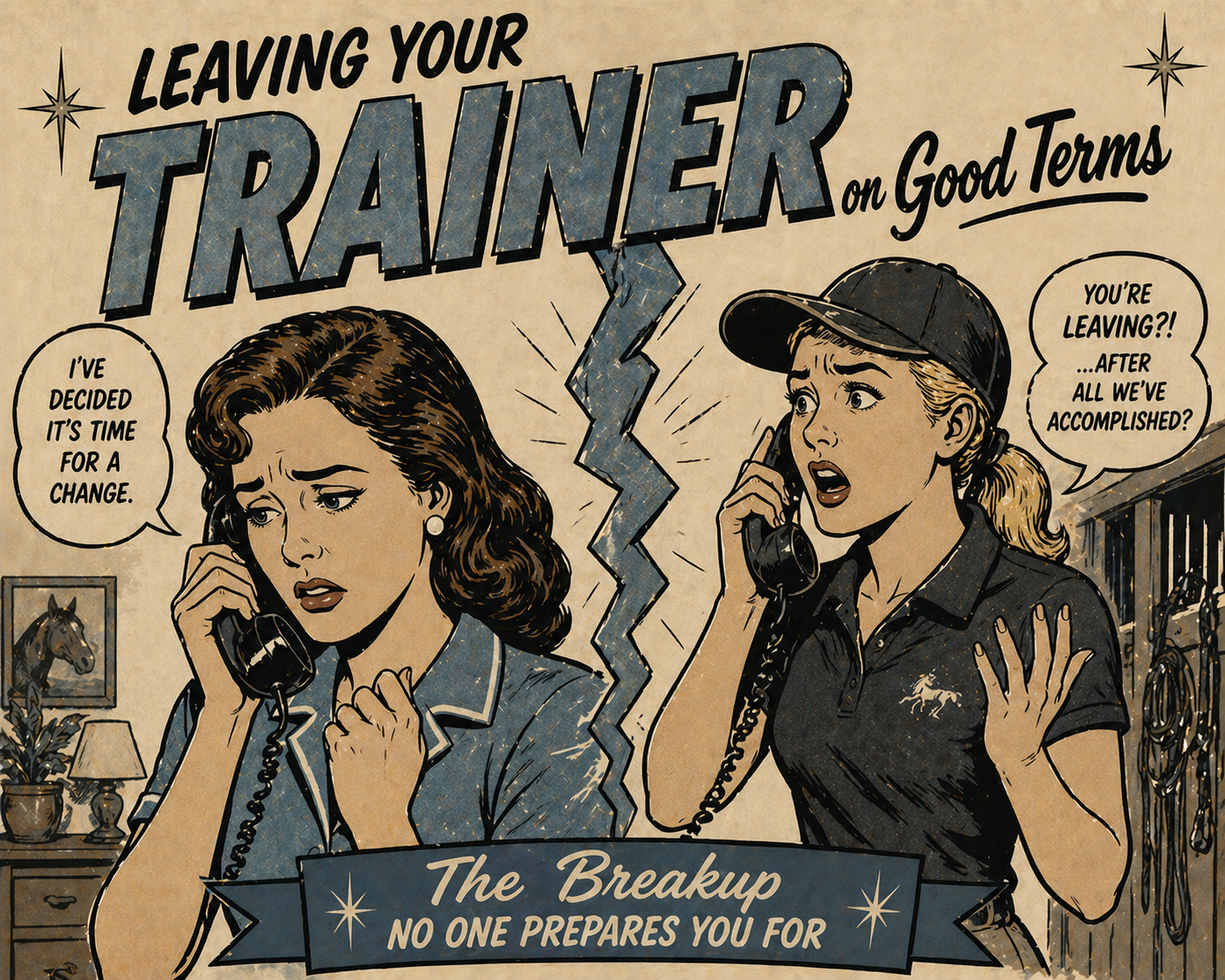
When I first started offering consult calls, I imagined thoughtful conversations, second opinions, maybe a little strategy. What I didn’t fully anticipate was how many riders would come in quietly asking the same thing: “I think it’s time to leave my trainer… but how do I do that without the drama?”
And I couldn’t help but wonder… when did changing barns start to feel like a bad break up?
Here’s the truth we don’t always say out loud: this conversation is part of the industry. Horses change. Goals shift. Life moves. And sometimes, the right next step is simply somewhere else.
But just because it’s normal doesn’t mean it feels easy.
Start where it matters, with gratitude.
Before anything else, say thank you. Not in a rushed, polite way. Actually say it.
Because whether your journey ended on a high note or a frustrating plateau, your trainer showed up. Early mornings, late nights, hauling, coaching, worrying about your horse like it was their own. Most trainers are not sitting on cushy margins. They’re working hard, often paycheck to paycheck, making trade-offs most people never see.
Even if things aren’t working now, there was a point where they were.
Acknowledge that.
Something as simple as:
“Thank you for everything you’ve put into me and my horse. I really mean that.”
It doesn’t erase the present, but it honors the past. And that matters more than people realize.
Lead with honesty.
Be clear. Not vague, not padded, not ‘maybe someday.’
When people get nervous they try to soften things, and in doing so, create confusion.
Don’t say you might come back if you already know you won’t. Don’t leave the door cracked just to avoid discomfort. It puts your trainer in a strange position, wondering if they should hold space, keep a stall open, or expect your return.
Clarity is kinder than ambiguity.
You can keep it simple:
“First of all, thank you so much for everything, but for Fluffy and my journey, I think it’s time we try something new.”
That’s it. No over-explaining. No long defense.
Just honest, grounded, and respectful.
If they ask for feedback, meet that moment properly.
Not every trainer will ask. But if they do, it’s an opportunity to give something back.
Keep it honest, but keep it kind. This is not the time to unload every frustration you’ve been storing like receipts in a glovebox. It’s a chance to offer useful perspectives that could genuinely help them grow.
Think along the lines of specifics, not emotion.
“I felt like I needed a bit more communication around our plan,” lands very differently than, “I never knew what was going on.”
One invites improvement. The other invites defensiveness.
If you’re not in a place to give that kind of feedback calmly, it’s okay to keep it brief. Not every exit needs a full review.
And maybe the most important part: check yourself before you walk in.
If you’re heated, hurt, or ready to prove a point, wait.
Because while this is a service industry, it’s also a deeply personal one. Trainers invest time, energy, and often a lot of hope for the horse and rider. They know the horses aren’t theirs, but that doesn’t make it easy to watch one leave, especially if they had a vision for where it could go.
So yes, from a business standpoint, you are choosing a different service. That’s allowed. That’s valid.
But from a human standpoint, it hurts to do your best and see one leave.
The cleanest exits happen when you can honor both sides of that truth.
Leave like someone who might cross paths again. Because you probably will.
Horse shows are small worlds. Reputations travel faster than trailers. And the way you leave says a lot more than the reason you leave. You don’t need to make it dramatic. You don’t need to justify your decision beyond what’s honest.
You just need to handle it with a bit of steadiness, a bit of gratitude, and a clear sense of where you’re going next.
Because the kindest thing you can do, for your trainer and for yourself, is leave with respect.
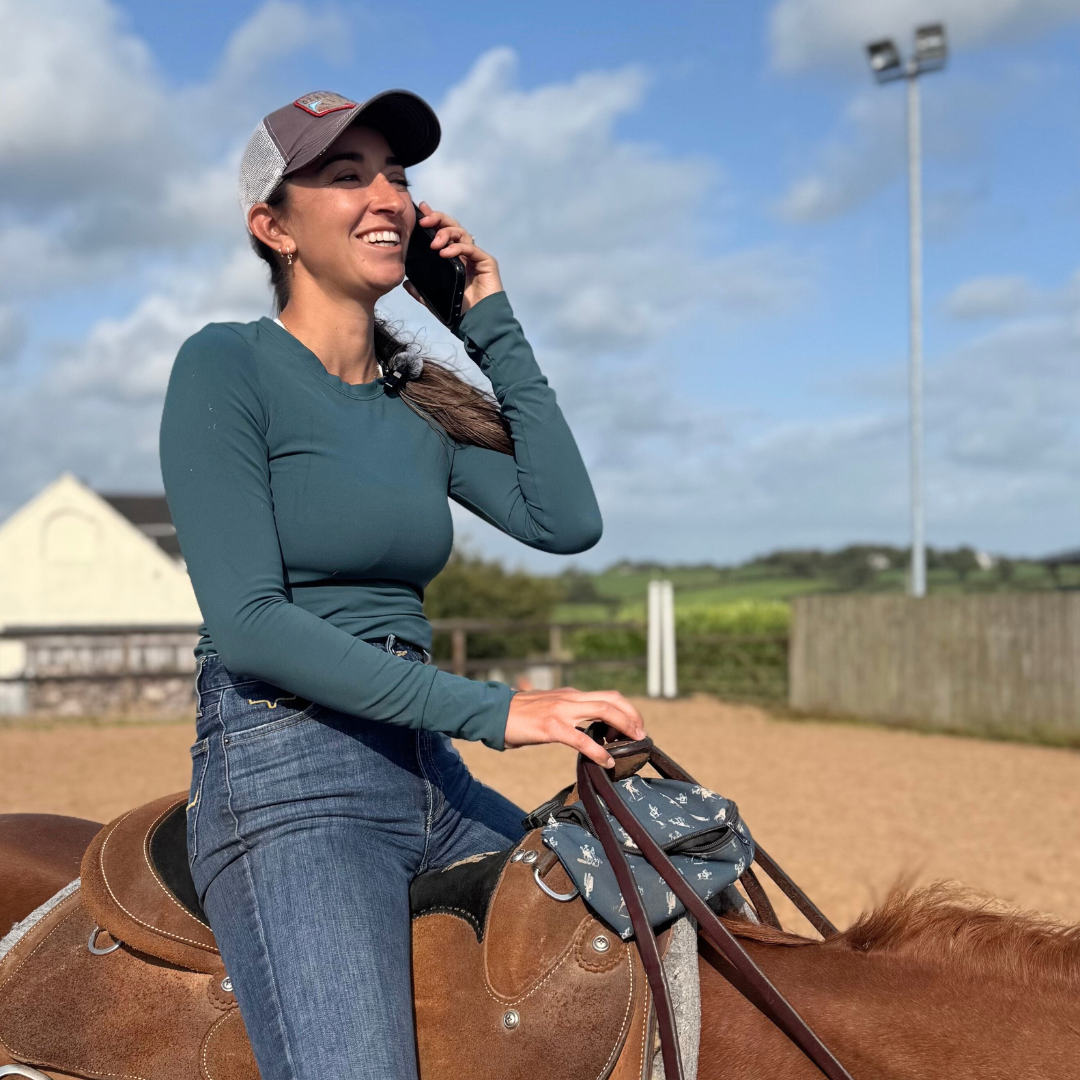
Do you know where you want to go in the show pen but are not sure how to get there?
The Competitive Roadmap Call is a 30 to 45 minute strategic planning session designed to help you map a clear path from where you are now to where you want to be.
Whether you:
Have a green three year old and dream of the World Show
Want to move from local shows to breed level competition
Want to step up into a bigger training program but don’t know where to start
Feel stuck in your riding career
This call is where we build the plan.
What We Do on the Call
This is a focused strategy session where we:
Define your competitive goals clearly
Evaluate your current situation including horse, budget, training setup, and timeline
Identify the gaps between where you are and where you want to be
Map realistic steps to close that gap
Decide what makes the most sense next, whether that is lessons, partnering with a trainer, course work, training adjustments, or strategy at the show
You will leave with:
A clear competitive target
A structured plan
Confidence in your next move
How It Works
After purchase, you will receive an email with instructions to schedule your session.
Please block out 30 to 45 minutes for your call and come prepared with your goals and ideal equestrian dreams. No dream is too big.
At your scheduled time, Crysta will call you via FaceTime Audio or WhatsApp to avoid international calling fees.
You are welcome to record the call or take notes.
Everything discussed remains completely confidential between you and Crysta. This is a safe place to think big, ask hard questions, and speak openly without worrying about barn gossip.
Who This Call Is For
This call is ideal for riders who:
Are serious about improving
Want clear direction
Value honest, straightforward guidance
Are ready to stop wandering and start planning
If you are ready to move from hoping to having a clear competitive roadmap, this is where it starts.
